




Probably not, if you are hoping it will get you into AI answers. An llms.txt file is a harmless, optional summary of your website written for AI tools. Google says its search does not use it, and we have not seen any of the big AI search tools say they rely on one to decide what to cite. We have one anyway, for reasons below, but it sits near the bottom of the list of things worth your time.
What is an llms.txt file?
It is a plain text file, written in Markdown, that sits at the root of a website, at an address like yoursite.com/llms.txt. The idea was proposed in September 2024 as a way to give AI tools a short, tidy summary of a site without making them wade through menus, cookie banners and code.
The suggested format is simple: a heading with the site's name, a one-paragraph summary, then lists of links to the most useful pages with a line describing each. Think of it as a contents page for robots.
What does Google say about llms.txt?
Google is unusually direct about it. In its guide to optimising for generative AI search, it says Google Search itself does not use llms.txt files, and that creating one will neither help nor harm your visibility or rankings in Google Search.
Its separate documentation on AI features goes further: you do not need to create new machine-readable files, AI text files or markup to appear in AI Overviews or AI Mode. Pages just need to be indexed and eligible to show with a snippet.
What about ChatGPT and the others?
The documentation that does exist is about access, not summaries. OpenAI's page on its crawlers explains how to allow or block OAI-SearchBot, the bot behind ChatGPT search, using robots.txt, and says sites that block it will not be shown in ChatGPT search answers. That robots.txt line matters far more than any llms.txt file.
Some AI tools may read an llms.txt file when they visit a site. That is fine. But "may read it" is a long way from "will recommend you because of it".
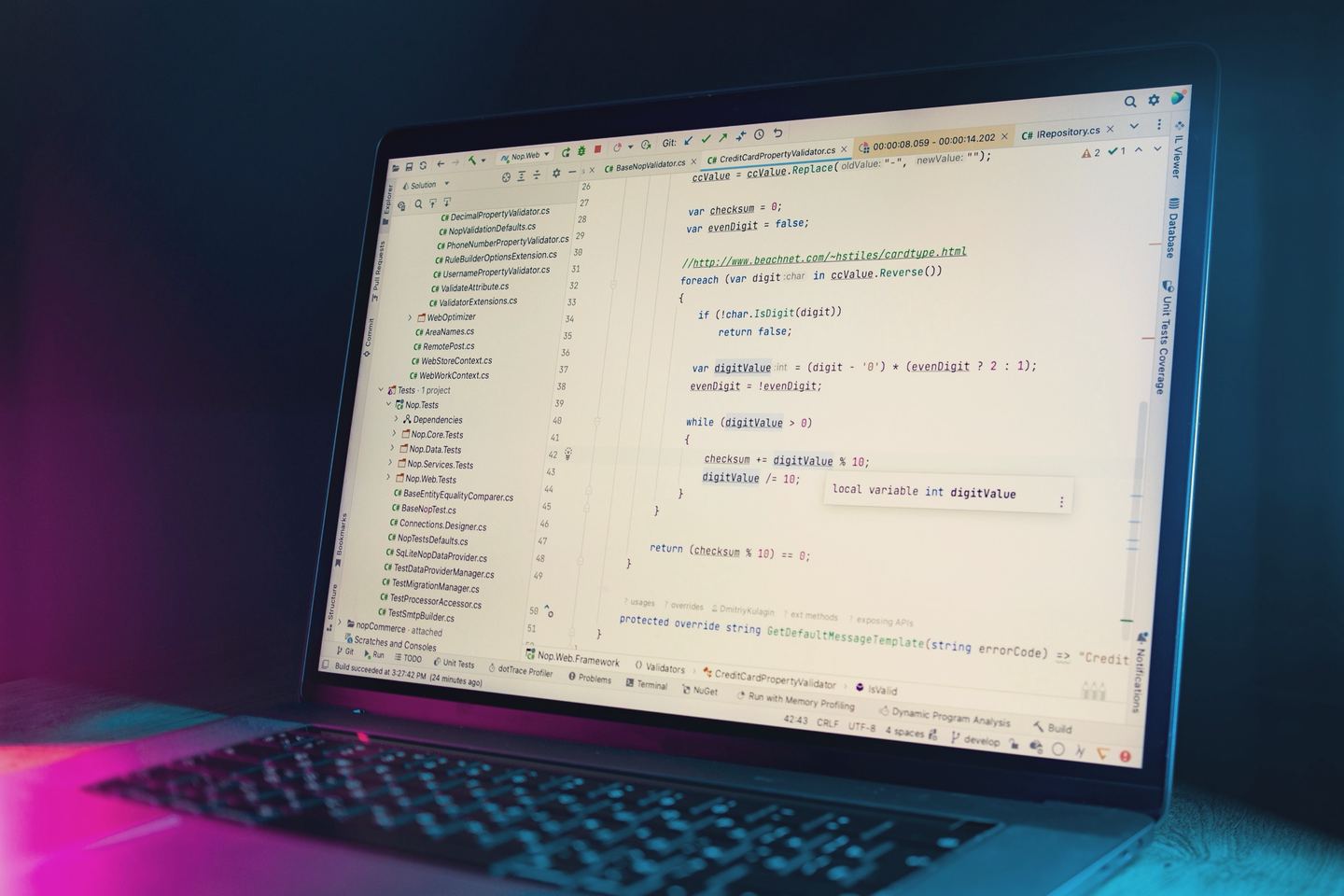

So why does Ginger Onion have one?
Because it takes ten minutes and does no harm, and because writing it is a useful exercise. Ours says who we are, where we are based, what we do and where the important pages live. Writing that in a few plain sentences forces you to decide how you describe your business, and that description is exactly what you want to be consistent everywhere else.
It would also be a bit odd for an agency that does GEO not to have one. But we do not sell it as a fix, and you should be suspicious of anyone who does.
An llms.txt file is a contents page. It will not make anyone want to read the book.
What should I do instead?
Spend the time on the things AI tools demonstrably rely on: being crawlable, being clear and being talked about.
- Check your robots.txt. Make sure you are not blocking Googlebot, Bingbot or OAI-SearchBot, and that your hosting firewall is not quietly doing it for you.
- Put real text in your pages. If your words only appear after JavaScript runs, some crawlers may see very little. Server-rendered HTML is the safe choice.
- Write one clear description of your business and use it on your website, Google Business Profile, social profiles and directory listings. Same name, same services, same area.
- Keep your Google Business Profile complete. BrightLocal's 2026 study found it was the single biggest source cited in local AI answers.
- Earn mentions. An Ahrefs study of 75,000 brands found that brand mentions across the web lined up more closely with AI Overview visibility than backlinks did. Reviews, press and partner sites all count.
Should I add one anyway?
If it takes you ten minutes, go on. Keep it short, keep it accurate and update it when your services change. Just do the list above first.
Our GEO service covers the things that do move the needle. For a free first look at how ready your site is for AI search, run it through Spyglo.
Questions
Got a quick question about this?
Does llms.txt help with Google rankings?
No. Google says Google Search does not use llms.txt files, and that creating one will neither help nor harm your visibility or rankings in Google Search. It also says you do not need any special AI text files or markup to appear in AI Overviews or AI Mode.
Is llms.txt the same as robots.txt?
No. Robots.txt tells crawlers which parts of your site they may visit, and OpenAI, for one, documents how its search crawler follows it. Llms.txt is an optional Markdown summary of your site for AI tools to read. Robots.txt controls access, which matters a lot. Llms.txt offers a summary, which matters much less.
How do I create an llms.txt file?
Write a short Markdown file with your business name as a heading, a one-paragraph summary, then a list of your key pages with a line describing each. Save it as llms.txt in the root of your website so it loads at yoursite.com/llms.txt. Keep it accurate and update it when your services change.