

GEO, short for generative engine optimisation, is the work of getting your business found, understood and mentioned by AI assistants such as ChatGPT, Perplexity, Gemini, Microsoft Copilot, Claude and Google's AI Overviews and AI Mode. If someone asks one of them who to hire, GEO is about making sure your name has a fair chance of turning up in the answer, described correctly.
There is a lot of nonsense written about it. This guide sticks to what the AI companies have actually published and what the better studies have found, and it is honest about the bits nobody knows yet.
What is GEO, in one paragraph?
Generative engine optimisation is the practice of making a business easy for AI answer engines to find, understand, trust and mention. It builds on SEO: a website that crawlers can read, plus accurate facts about the business, clear answers to the questions customers ask, and a reputation that reviews, listings and other websites back up. The term comes from a 2023 academic paper that studied how content gets picked up by generative search engines.
Is GEO just SEO with a new name?
Mostly, and Google would say entirely. Its guidance on generative AI search says SEO best practices still apply because its AI features are "rooted in our core Search ranking and quality systems". If your pages rank in Google, they are in the pool its AI answers draw from.
The difference is that Google is not the only engine. ChatGPT search uses OpenAI's own crawler, OAI-SearchBot, and OpenAI says sites that block it will not be shown in ChatGPT search answers. Other assistants run their own crawlers too, and weigh outside sources in their own ways. So GEO is good SEO, plus the extra work of making sure every engine can reach you and finds the same story about you wherever it looks.
You will also see it called AEO (answer engine optimisation), AI SEO or LLMO. Same job, different badge.

Why does it matter now?
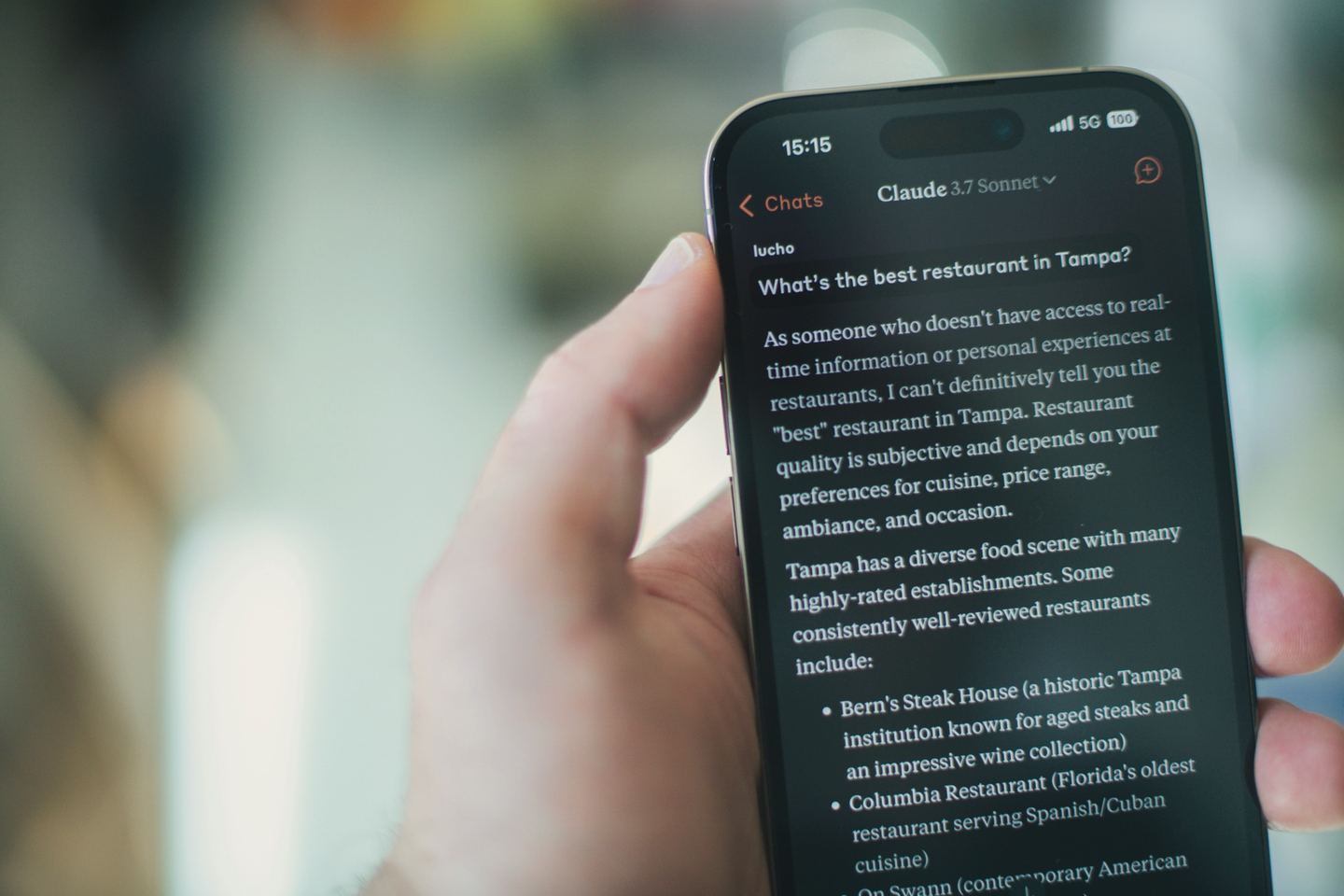
Because a lot of people now ask AI before they ask anyone else. Ofcom reported in April 2026 that more than half of UK adults (54%) use AI tools such as ChatGPT, Copilot or Gemini. Google says its AI Mode passed one billion monthly users within a year of launch.
When the answer arrives as a short paragraph naming three businesses, being the fourth is a lot like not being there at all.
How do AI assistants decide who to recommend?
Nobody outside these companies knows the full recipe, and anyone claiming otherwise is selling something. But the engines' own documentation and the better studies agree on the main mechanics.
- They search before they answer. For questions like "who is a good accountant in Teesside", assistants run web searches and read what comes back. Google calls this query fan-out: running several related searches across subtopics to build one answer. If your pages are not indexed, you are not in the running.
- Each engine has its own crawler. Google's AI features use Google's index. ChatGPT search relies on OAI-SearchBot. A site that is fine in Google can still be invisible to ChatGPT if its robots.txt or firewall turns the wrong bot away.
- They lean on what others say about you. An Ahrefs study of 75,000 brands found that mentions of a brand across the web lined up more closely with appearing in Google's AI Overviews than backlinks did. That is correlation, not proof, but it is one of the strongest signals anyone has published.
- For local searches, your Business Profile carries weight. BrightLocal's 2026 study of 1.9 million AI citations found Google Business Profile was the single biggest source cited in local AI answers, with business websites and review sites also cited heavily.
- Every engine picks differently. In the same BrightLocal study, ChatGPT named only about a fifth of the same businesses as Google's AI surfaces. Doing well on one tells you little about the others.
- The answers change every time. SparkToro found there is less than a 1 in 100 chance that ChatGPT or Google's AI will give the same list of brands twice for the same question. There is no fixed "position one" to win.
What actually helps?
None of this is glamorous. The things most likely to help are the same things that make a business easy to trust in person.
- Let the crawlers in. Check your robots.txt and any security settings are not blocking Googlebot, Bingbot or OAI-SearchBot.
- Put your words in the page. Text that only appears after JavaScript runs is a gamble with crawlers. Plain, server-rendered HTML is the safe bet.
- Say the same thing everywhere. One business name, one description, one list of services, matching across your website, Google Business Profile, Companies House, social profiles and directories.
- Answer real questions, plainly. A page per service, each opening with a direct answer to what customers actually ask. Google's guidance asks for original, non-commodity content with a real point of view, not generic text a chatbot could have written.
- Look after your Business Profile. Complete, accurate and current, with genuine reviews coming in steadily. Google says Business Profiles can help you show up in its AI responses.
- Get talked about. Local press, trade sites, podcasts, partners and directories. Mentions you earn are the ones that seem to count.
What does not help?
Google's guidance does some welcome myth-busting. It says you do not need special AI text files, there is no special schema markup for AI search, you do not need to chop your content into tiny chunks, and you do not need to write in a particular way for AI. On llms.txt specifically, it says Google Search does not use it. We have written a separate piece on llms.txt if you want the long version.
It also warns that chasing inauthentic mentions "isn't as helpful as it might seem". Fake reviews and planted forum posts break platform rules and tend to come back to bite.
If an agency promises you will be number one in ChatGPT, Gemini or Claude, ask them which answer they mean. It changes every time.

How do you measure GEO?
By how often you appear, not where. Because answers vary on every run, the honest metric is share of answers: take a fixed set of real customer questions, ask each one several times across the main engines, and record how often you are mentioned and how you are described. SparkToro's researchers recommend the same approach.
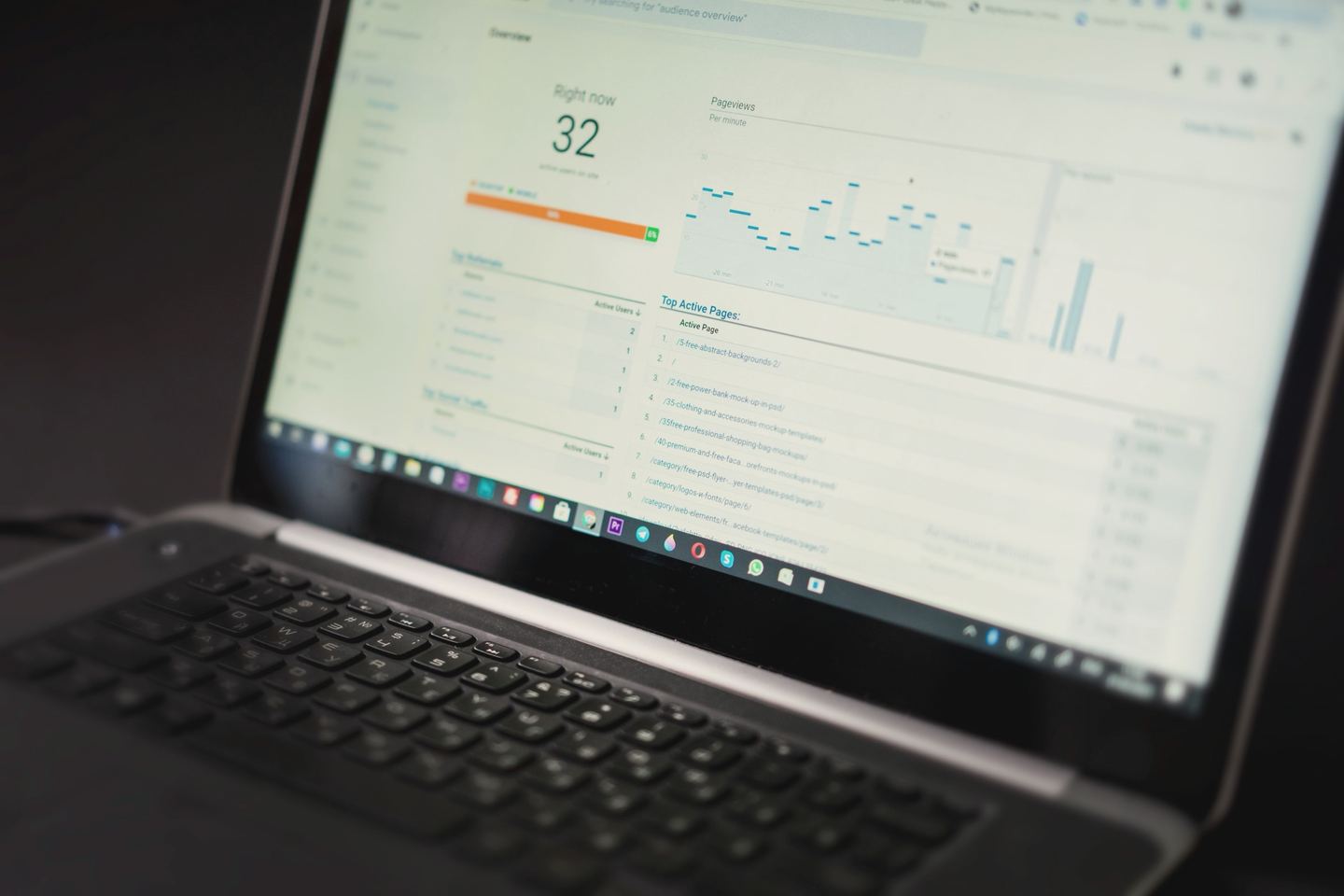
Add first-party data where it exists. Bing Webmaster Tools now has an AI Performance report showing when Copilot cites your pages, and your analytics will show visits arriving from ChatGPT, Perplexity and others. Search Console still matters too, because Google's AI answers are built on Google Search.
How long does GEO take?
Foundation fixes, such as unblocking a crawler or correcting facts on your listings, can be picked up as soon as the engines recrawl, often within weeks. Reputation work, meaning reviews, mentions and useful content, builds over months. Measure a baseline before you start so you can see the change rather than take anyone's word for it.
Where do I start?
Ask ChatGPT, Perplexity and Google what they know about your business, and who they recommend for what you do in your area. Write down what comes back. If you are missing, or described wrongly, that is your to-do list.
If you would like a hand, our GEO service starts with exactly that baseline. Or run your site through Spyglo, our free checker, and see how ready it is for AI search first.
Questions
Got a quick question about this?
What does GEO stand for?
GEO stands for generative engine optimisation. It means making your business easy for AI assistants such as ChatGPT, Perplexity, Gemini, Copilot and Google's AI Overviews to find, understand, trust and mention. It builds on SEO, adding consistent facts about you across the web, clear answers to real questions, and reviews and mentions on sites the AI trusts.
Can anyone guarantee an AI assistant will recommend my business?
No. AI answers change from one ask to the next: SparkToro found less than a 1 in 100 chance of getting the same list of brands twice. What you can do is make your business easier to find, describe and trust, then measure how often you appear across many runs of the same question.
Is GEO only for big brands?
No. For local questions, AI answers lean heavily on Google Business Profile, reviews and business websites, and any business can improve all three. A small firm with a complete profile, genuine reviews and clear service pages gives itself a fair chance of being mentioned, whatever its size.