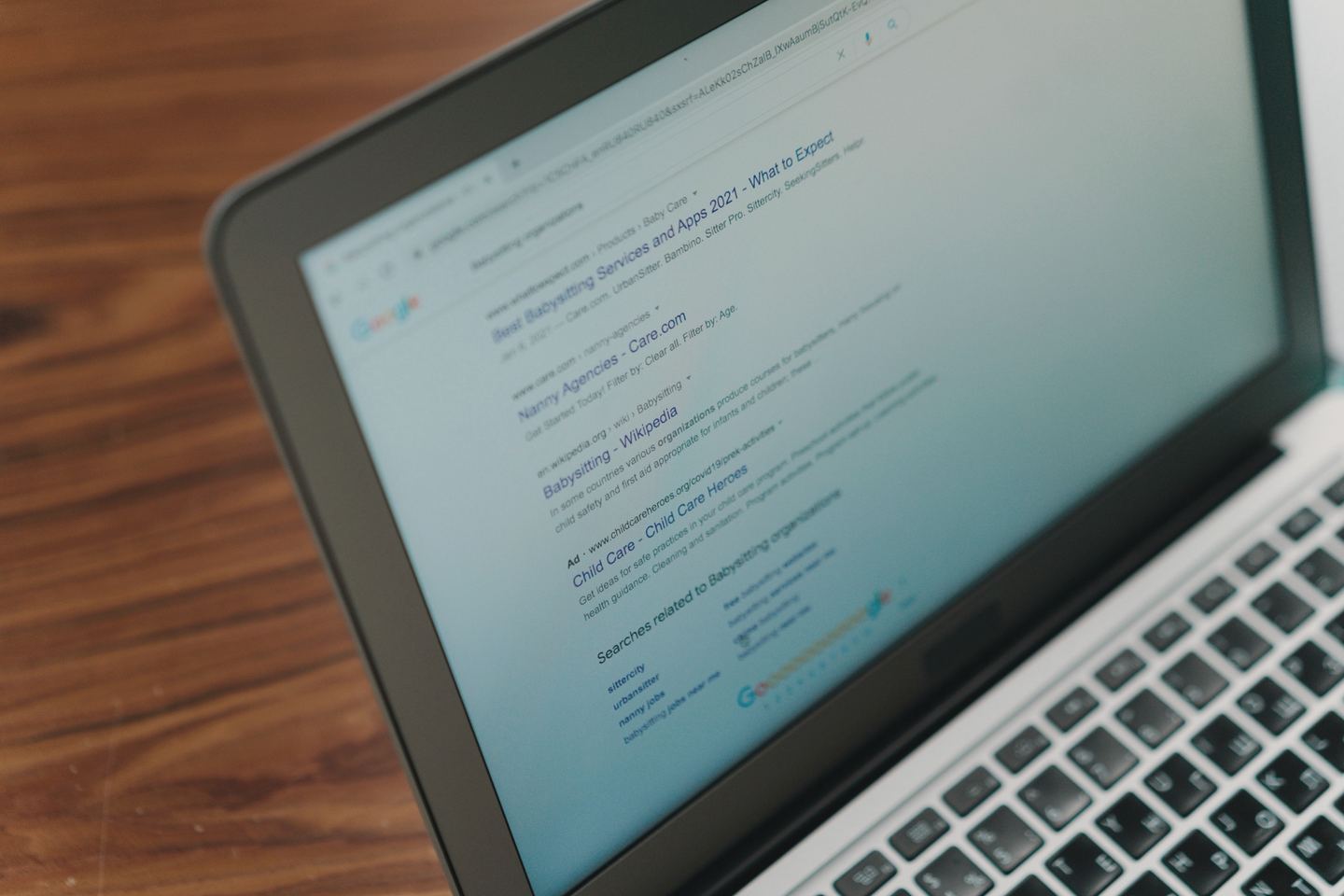

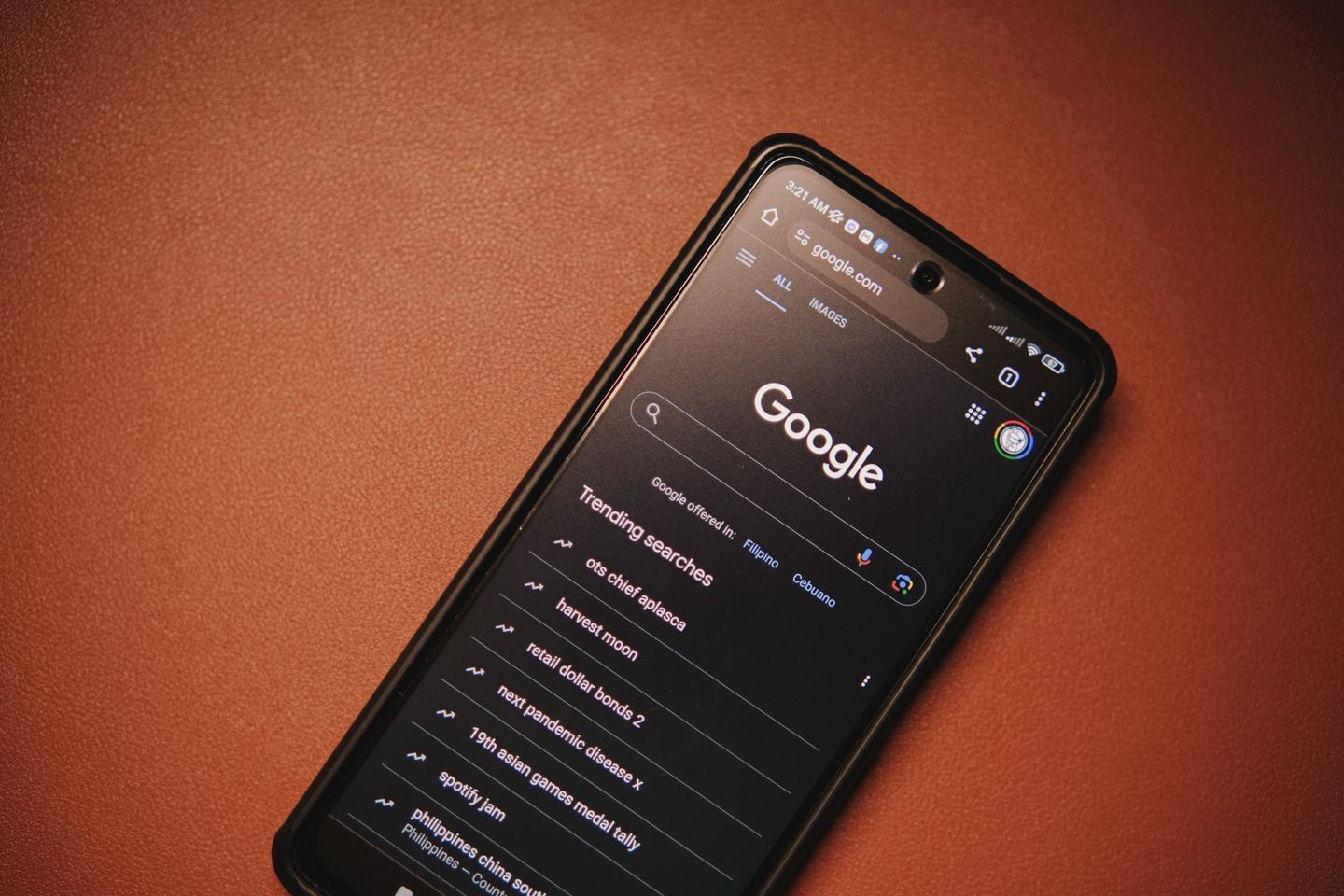
Yes. SEO is still worth it, and in some ways it matters more, because Google's AI answers are built from the same search index and ranking systems as the normal results. What has changed is what a win looks like. Fewer people click through on simple questions, so the job is less about traffic for its own sake and more about being the source, and being found for the searches that lead to business.
What has Google actually changed?
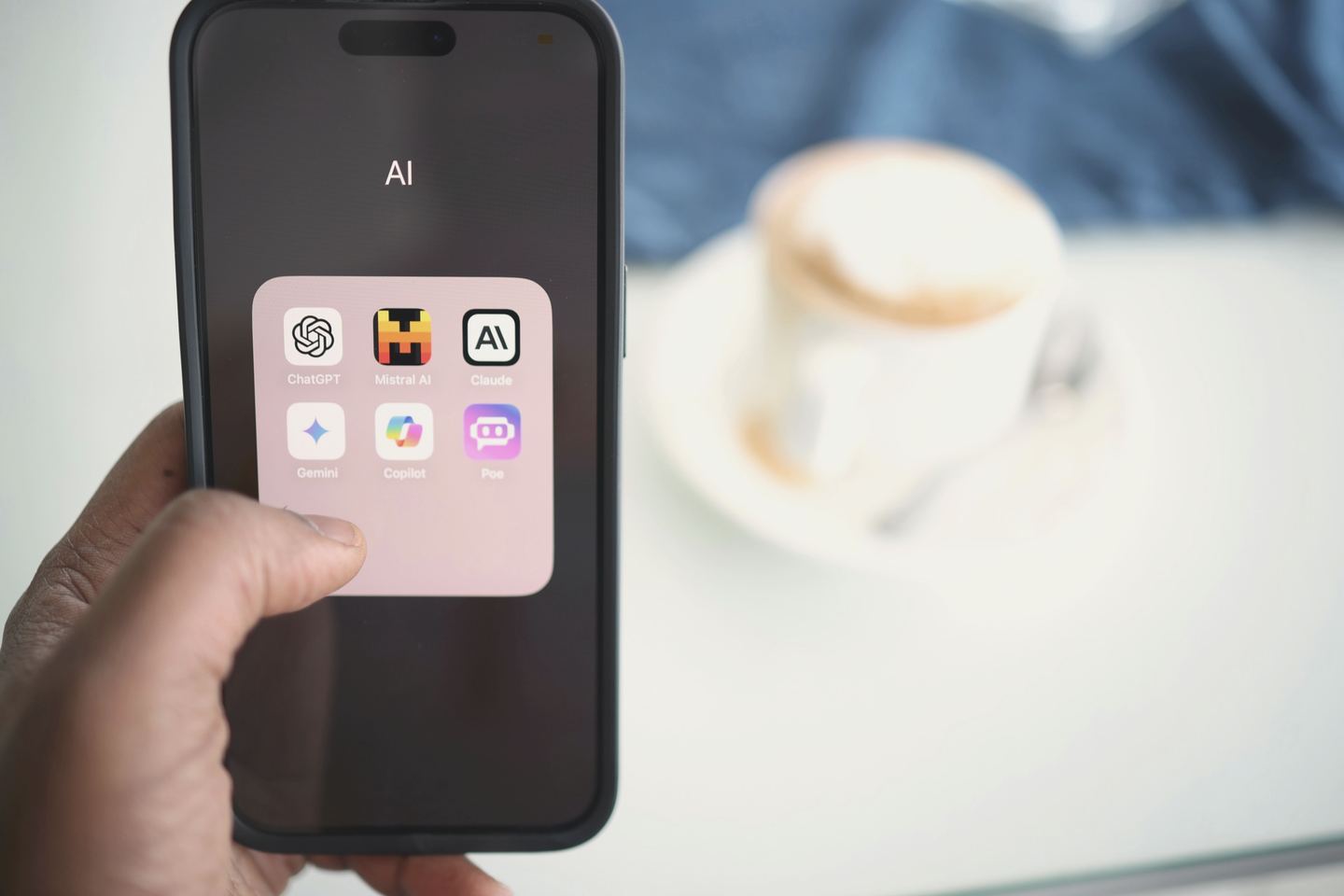
Google now answers many searches with an AI summary at the top, called an AI Overview, and offers a fuller conversational mode called AI Mode. Google says AI Mode passed one billion monthly users within a year of launch. In the UK, Ofcom found that 54% of adults now use AI tools such as ChatGPT, Copilot or Gemini.
So yes, the results page looks different, and some searches that used to send a click now end with a paragraph of text.
Do AI answers use the same rankings?
Largely, yes, according to Google. Its guidance on generative AI search says SEO best practices "continue to be relevant because our generative AI features on Google Search are rooted in our core Search ranking and quality systems". Its documentation on AI features says a page only needs to be indexed and eligible to show with a snippet to appear, with no extra requirements.
In plain English: the pages Google trusts in normal search are the pages its AI quotes. If you are not doing the SEO, you are not in the pool.
Will I get fewer clicks?
On some searches, probably. Quick factual questions, the sort where the answer fits in a sentence, are the ones most likely to be answered on the page. Plenty of site owners now see a familiar pattern in Search Console: impressions holding up while clicks on informational pages soften.
But not all searches behave like that. Someone looking for an electrician today, a quote for a new kitchen or a firm to redo their website still needs to pick someone and get in touch. Those are the searches that pay the bills, and they still end with a visit, a call or a booking.
Which searches still matter most?
- Local searches. "Near me" and "in your town" searches still lead to calls and visits. BrightLocal's 2026 study found Google Business Profile was the single biggest source cited in local AI answers, so local SEO now feeds the AI results too.
- Searches with buying intent. Prices, quotes, comparisons and bookings. People want to see the business, not just a summary of it.
- Your own name. When someone hears about you, from a friend or from an AI assistant, they search for you. Your site needs to win that search cleanly and say the right things.
- Questions only you can answer well. Original detail, real experience and a point of view are harder to summarise away, and Google says that is the content it wants.


What should SEO look like now?
The basics have not changed: a fast, crawlable site, a clear page for each thing you sell, sensible titles and headings, and a well-kept Business Profile. What has shifted is the weighting.
- Non-commodity content. Google warns against content that could easily be produced by a generative AI model. Pages built from your own knowledge, prices, process and opinions do better than rewrites of what is already out there.
- Reputation off your site. An Ahrefs study of 75,000 brands found brand mentions across the web lined up more closely with AI Overview visibility than backlinks did. Reviews, press, directories and partners matter more than ever.
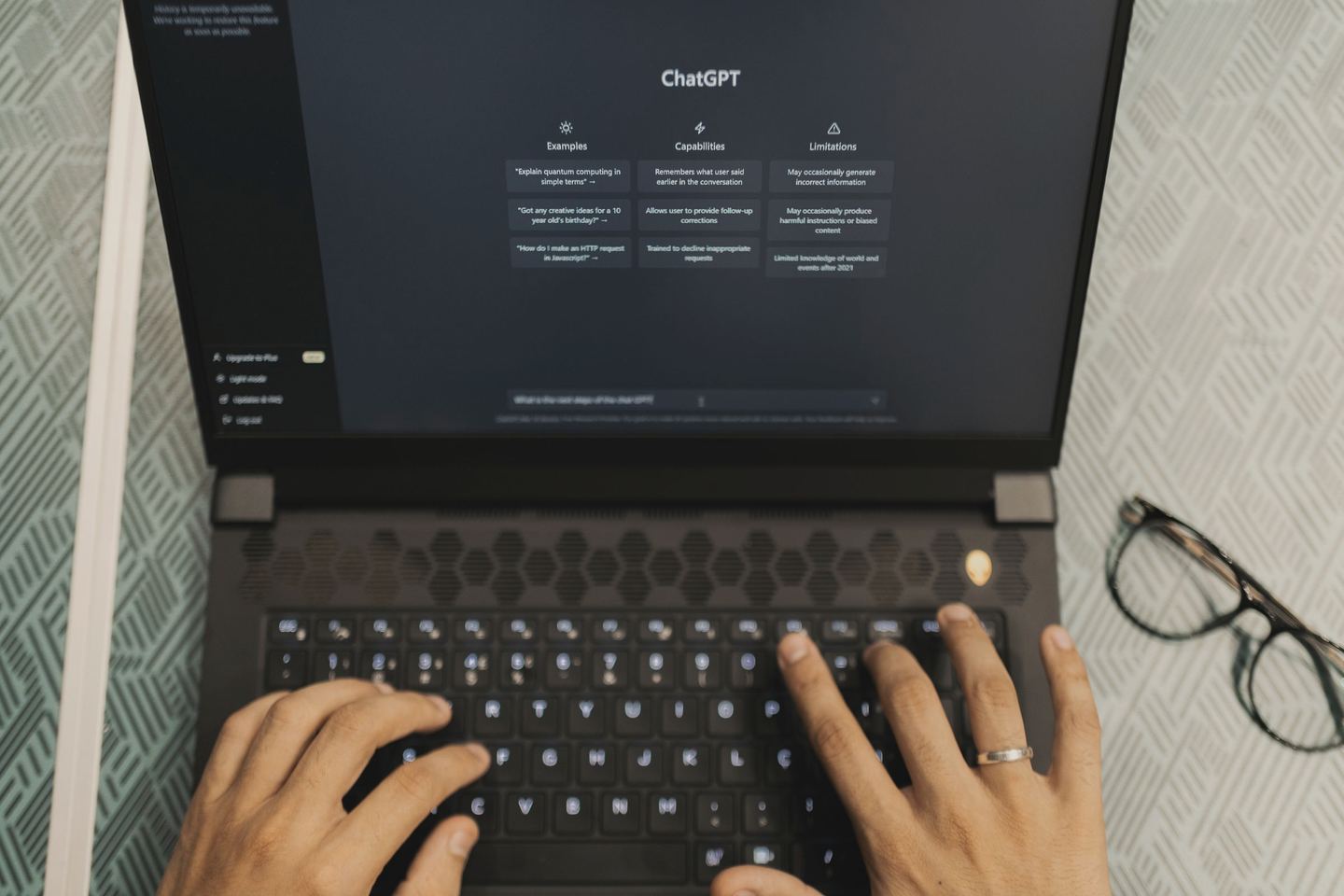
- More than one search engine. ChatGPT search uses OpenAI's own crawler, and OpenAI says sites that block it will not appear in its search answers. Check you are not turning it away by accident.
- Real text in the page. Words that only appear after scripts run are a risk with some crawlers. Server-rendered HTML removes the guesswork.
How should I measure SEO now?
Look beyond clicks. Track impressions in Search Console to see whether you are being shown, track enquiries, calls and bookings to see whether it is paying, and check what the AI assistants say about you. A page that gets quoted in an AI answer, followed by someone searching your name a week later, has done its job, even if the first visit never happened.
Bing is worth a look too. Its Webmaster Tools now include an AI Performance report showing when Microsoft Copilot cites your pages, which is about as close to first-party AI data as anyone currently offers.
Should I be wary of anyone selling AI SEO?
Be wary of guarantees. Google's own advice on hiring an SEO is blunt: "No one can guarantee a #1 ranking on Google." The same goes for AI answers, which SparkToro found rarely give the same list of brands twice. A good agency explains what it will do, how it will measure it and what timescales are realistic.
So, is it worth it?
If your customers search before they buy, yes. The AI layer has not replaced search, it has been built on top of it. The businesses that do well in AI answers are, mostly, the ones already doing SEO properly, with a bit of extra care for reputation and for engines other than Google.
If you want to know where you stand, our SEO service starts with a plain English audit, and our GEO service covers the AI side. Or try Spyglo for a free check of your site first.
Questions
Got a quick question about this?
Has AI made SEO pointless?
No. Google says its AI Overviews and AI Mode are rooted in its core search ranking and quality systems, so the pages that do well in normal search are the ones its AI answers draw on. What has changed is how you measure success: impressions, enquiries and AI mentions, not just clicks.
How long does SEO take to work?
Technical fixes can show up within weeks once Google recrawls your pages. Ranking for competitive searches usually takes months, depending on your competition, your site's history and how much content and reputation work goes in. Google advises asking any SEO what results to expect and in what timeframe, so ask, and expect a straight answer.
What is the difference between SEO and GEO?
SEO gets you found in Google and Bing. GEO gets you mentioned when people ask AI assistants like ChatGPT, Perplexity or Gemini for a recommendation. They overlap heavily, and SEO is the foundation, but AI engines run their own crawlers and lean harder on reviews and mentions elsewhere on the web.